On the afternoon of July 6, a delegation headed by Pan Yinfang, Deputy Director of the Library and Information Center of Zhejiang Industry & Trade Vocational College, visited the Information Technology Center of Wenzhou Medical University for targeted research and exchanges. The discussion focused on the development of university cybersecurity systems and the application of artificial intelligence technologies. Wang Chaojie, Director of the Information Technology Center, Ying Yifan, Deputy Director of the Center, and heads of relevant divisions warmly received the visiting group.
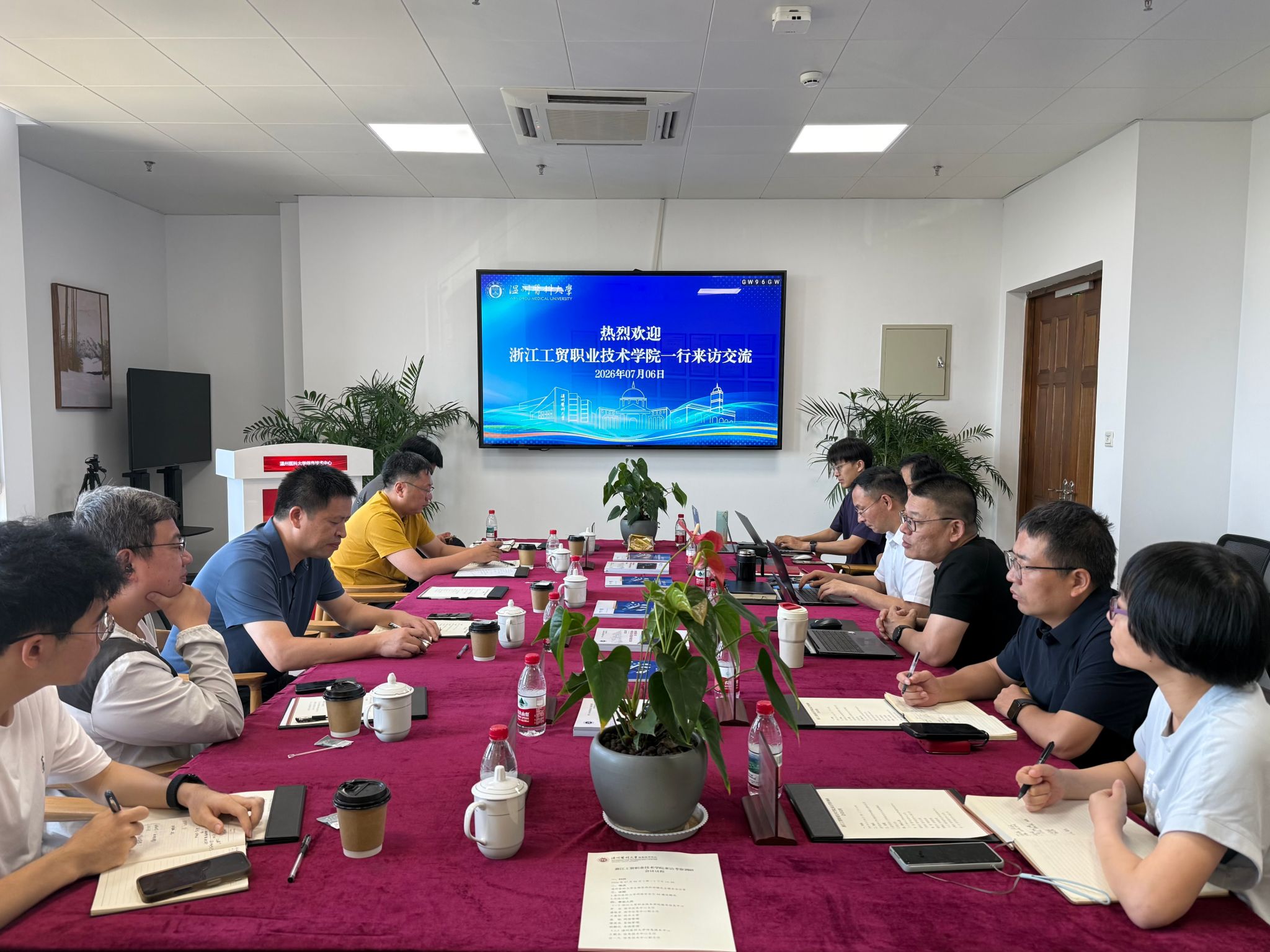
At the symposium, Director Wang Chaojie delivered a systematic overview of the university’s cybersecurity and AI initiatives. He noted that cybersecurity is the lifeline of informatization construction in higher education and an essential underpinning for advancing digital and intelligent education transformation. In recent years, the university has prioritized cybersecurity as a core component of the "Digital & Intelligent WMU" program. While reinforcing its cybersecurity defense perimeter, the university has actively explored innovative use cases for artificial intelligence.
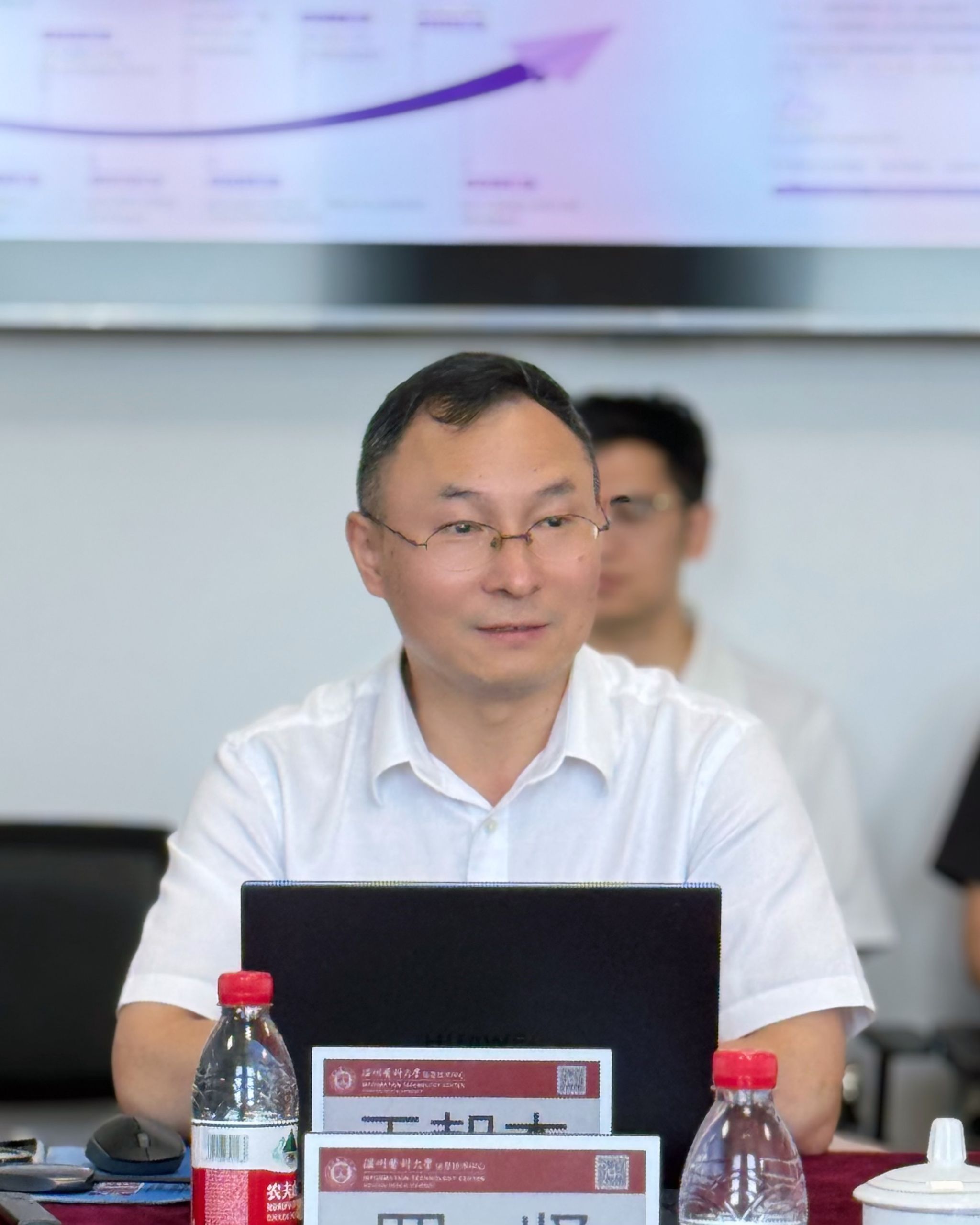
Subsequently, Deputy Director Pan Yinfang briefly shared the progress of informatization development at Zhejiang Industry & Trade Vocational College. He remarked that university cybersecurity acts as a vital cornerstone for educational development and entails significant accountability. Wenzhou Medical University has gained extensive experience in establishing cybersecurity protection systems and deploying AI technologies. This research visit proved highly productive and offers valuable references for Zhejiang Industry & Trade Vocational College to move forward with its related initiatives.
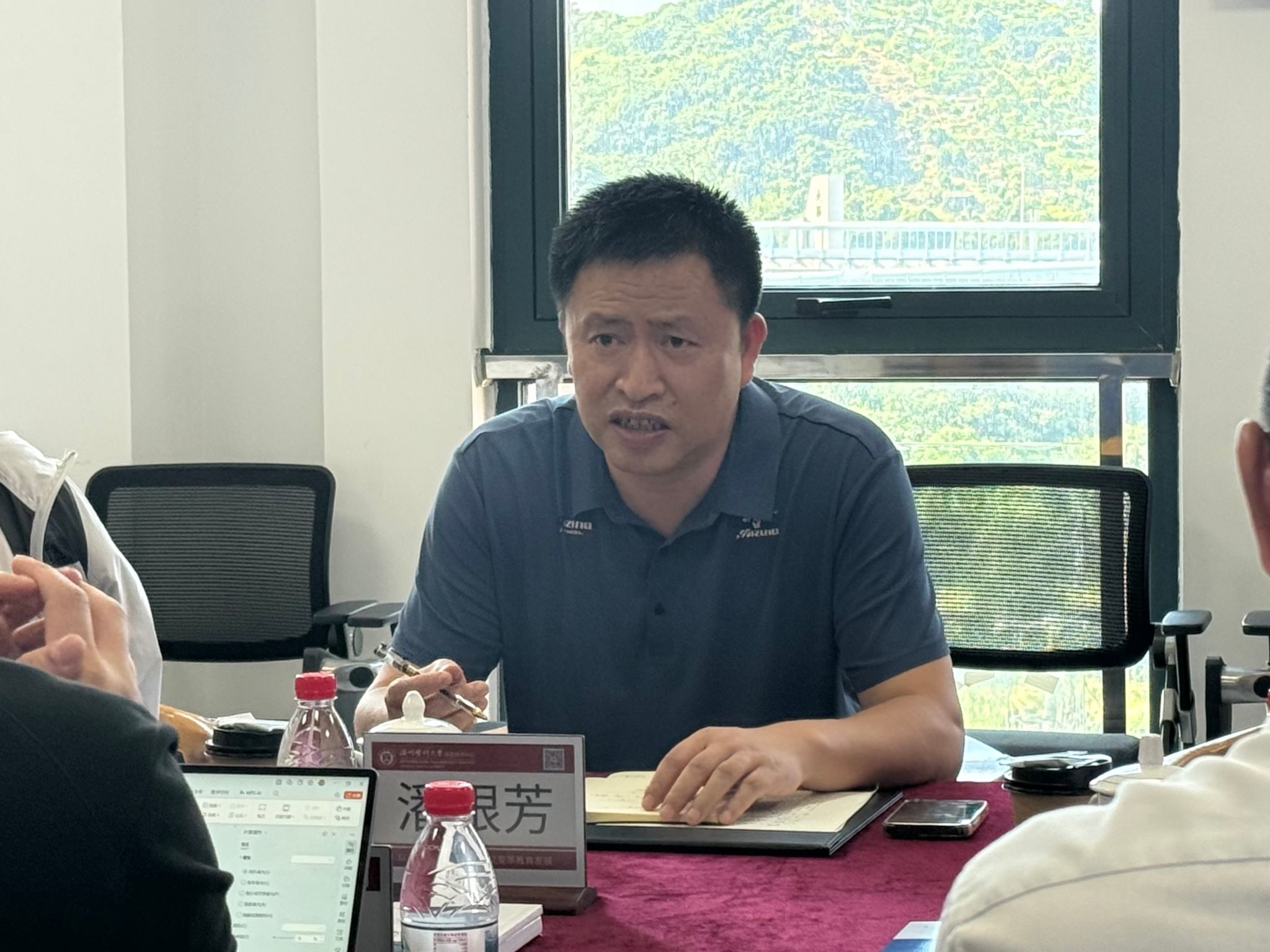
During the open discussion, the two sides engaged in in-depth dialogue covering the development of university cybersecurity frameworks, AI applications in educational governance, and smart campus planning.
This exchange has established a solid communication platform for the IT departments of both institutions. Both parties agreed to sustain close ties, exchange insights on university informatization, and work together to elevate informatization development in higher education to new levels.