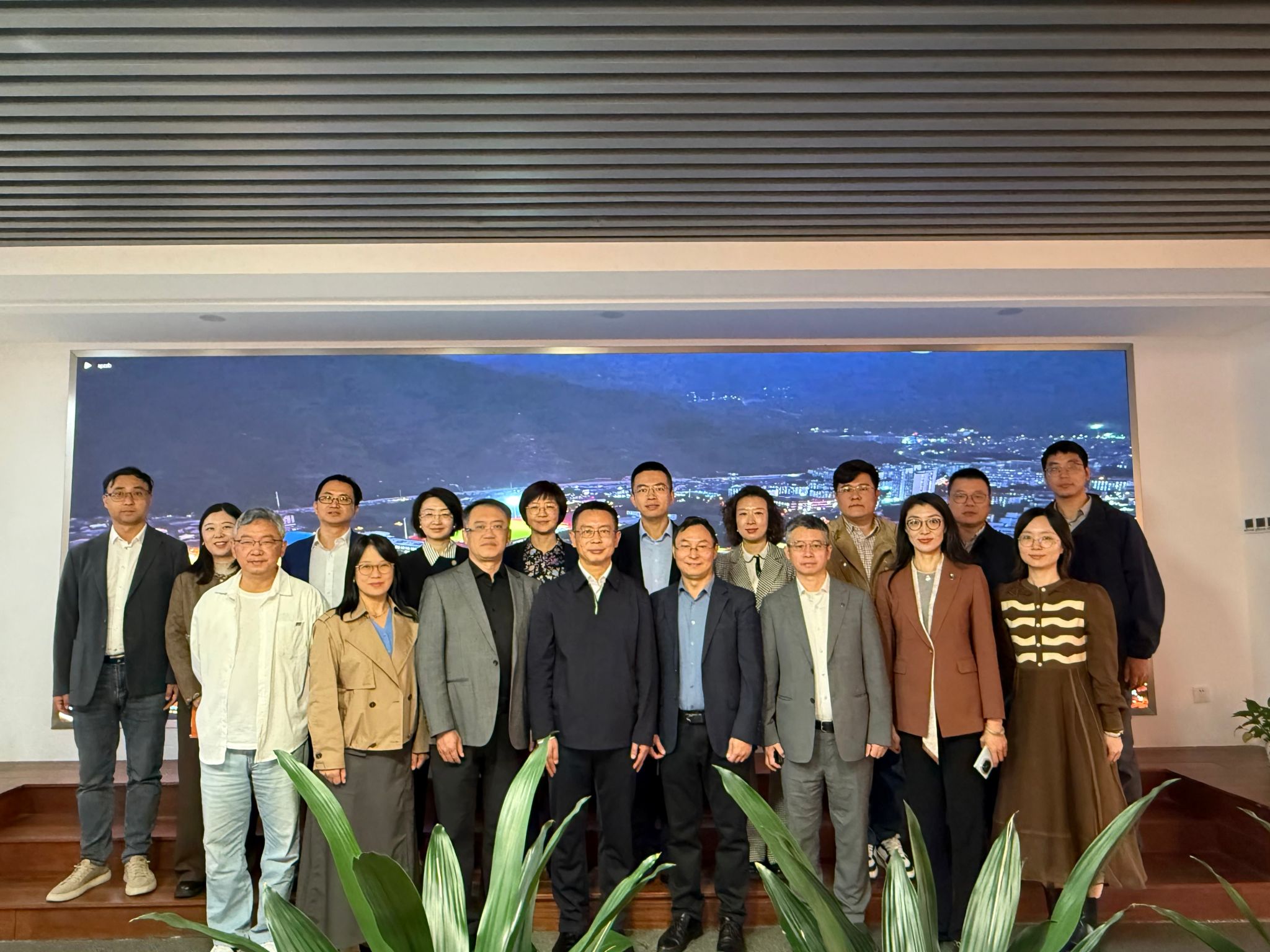
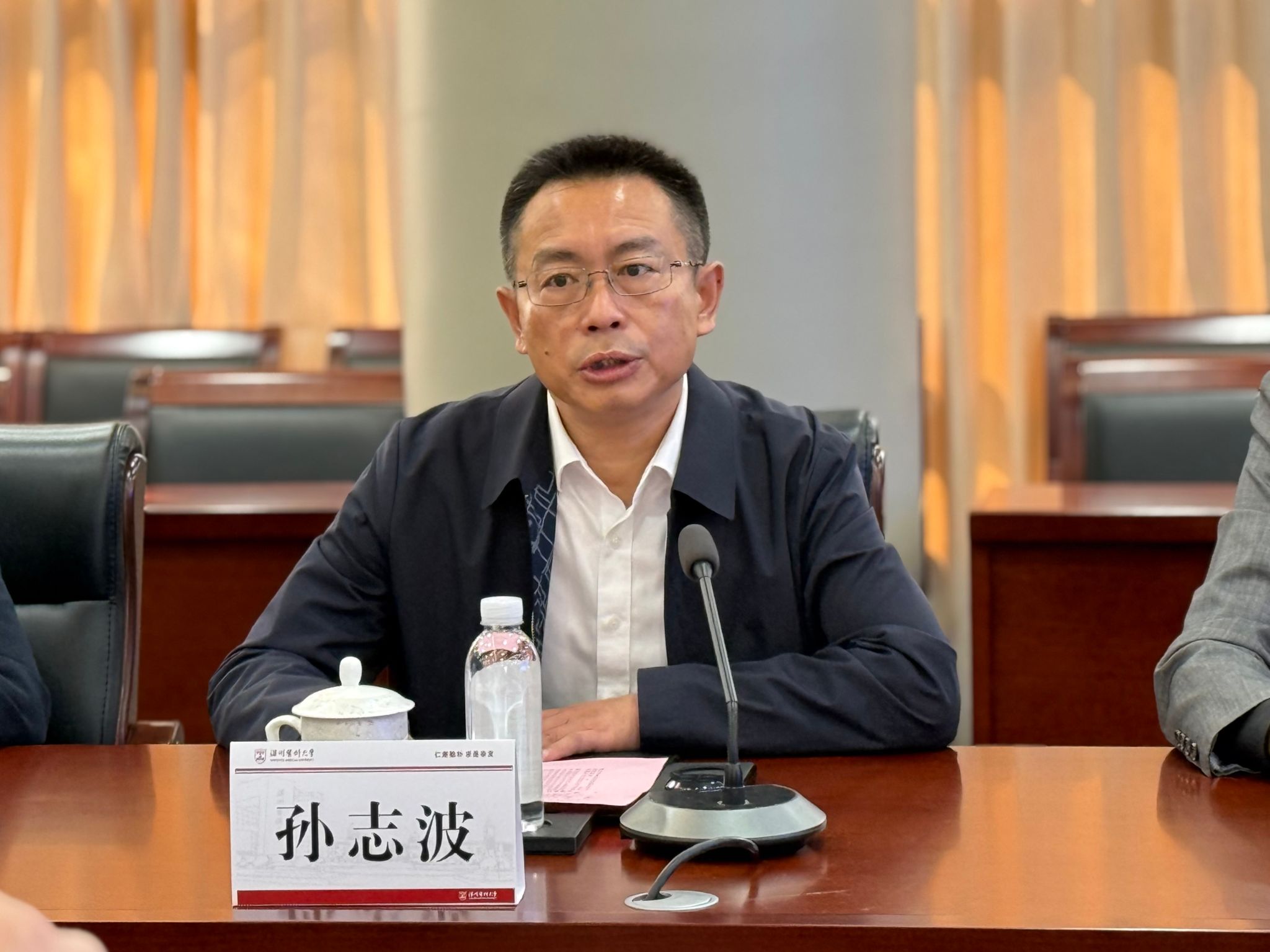
To further facilitate the exchange and sharing of medical education resources and explore new pathways for medical universities to improve quality and efficiency in the new era, Vice President Sun Zhibo and his delegation from Dalian Medical University paid a special visit to Wenzhou Medical University for targeted research and exchange from November 11 to 12, 2026. Wu Wencan, Vice President of Wenzhou Medical University, attended the meeting. Heads of relevant functional departments and schools from both universities took part in the exchange forum.
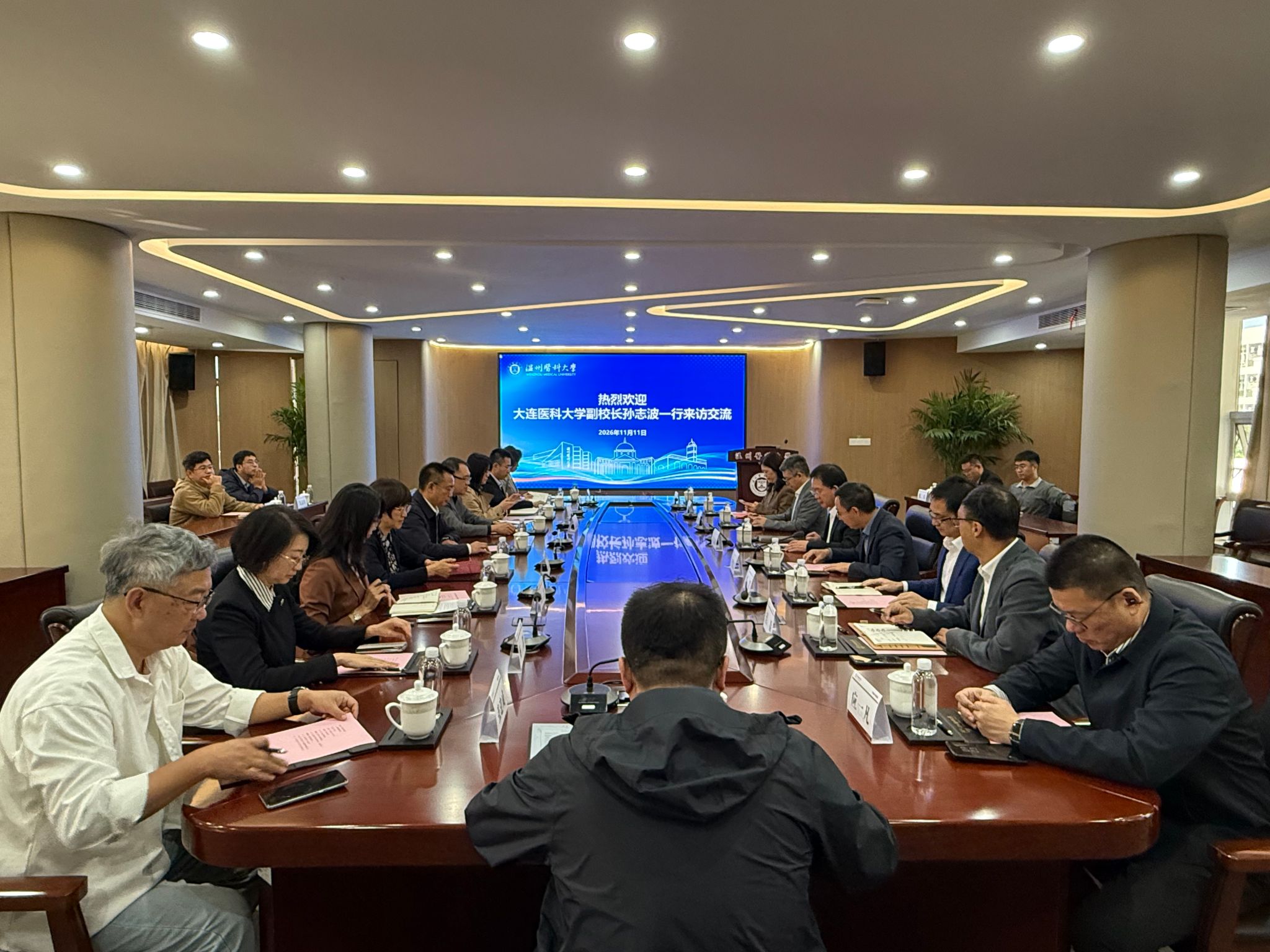
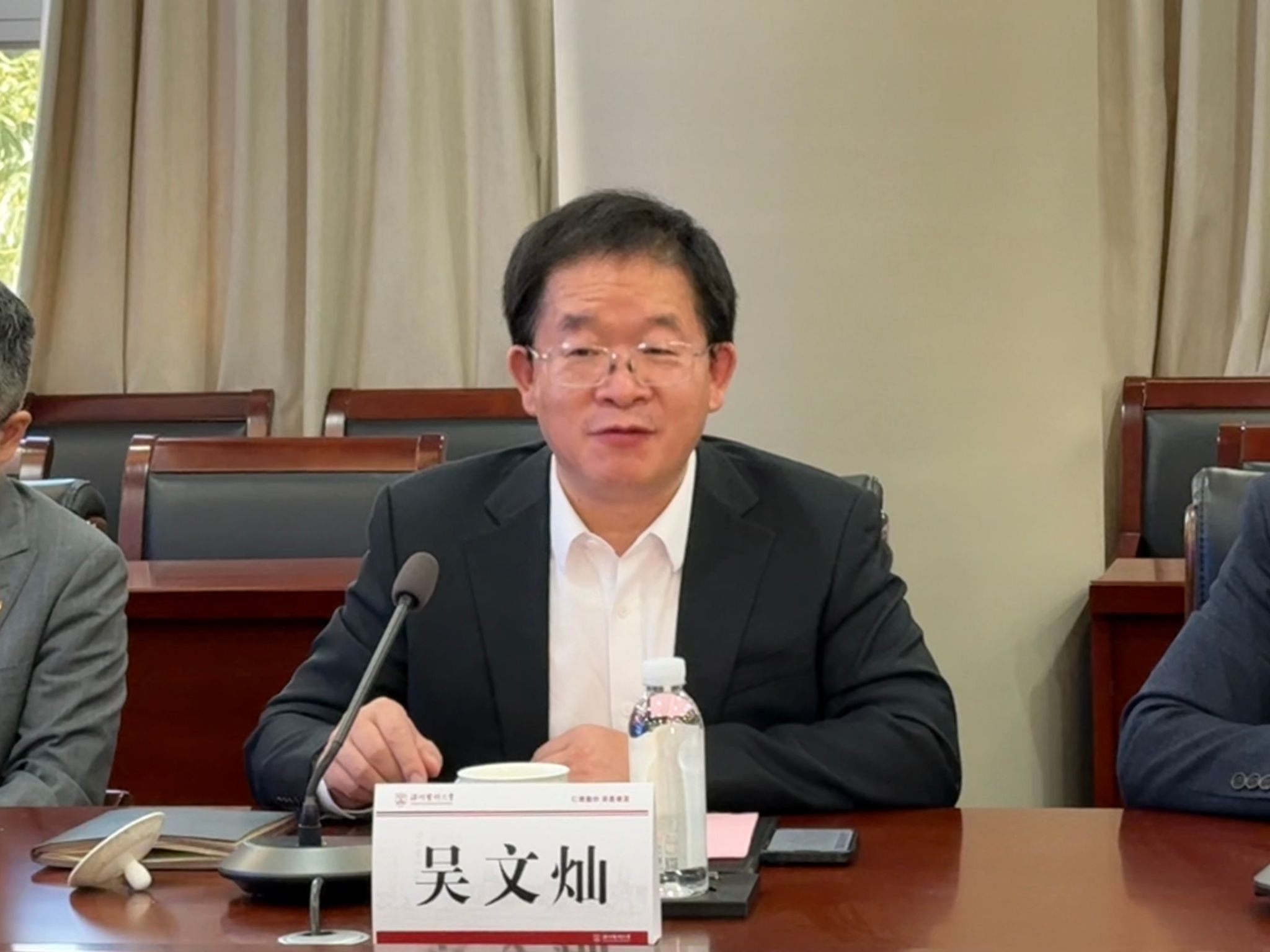
At the meeting, Vice President Wu Wencan, on behalf of the University, extended a warm welcome to Vice President Sun Zhibo and his delegation, and briefly introduced the overall development of Wenzhou Medical University in talent cultivation, faculty development, discipline development, research and innovation, healthcare resources, and international exchange and cooperation. He noted that both universities are medical institutions with distinct local characteristics, featuring strong complementarity and broad prospects for cooperation in many areas including medical education reform and joint postgraduate training. This research and exchange visit marks an important starting point for forging deeper ties between the two sides. Moving forward, the two universities may carry out multi-dimensional interactions based on their respective resource endowments, learn from each other’s experiences, leverage complementary strengths, and jointly advance the high-quality development of their institutional undertakings.
ice President Sun Zhibo expressed his gratitude to Wenzhou Medical University for the warm reception and gave an introduction to Dalian Medical University. He stated that the visit aimed to learn from WMU’s experience and practices in relevant fields and further strengthen exchanges and cooperation between the two universities in informationization development, postgraduate education, innovation and entrepreneurship, talent training for health care and nursing, and library development. He hoped that this research visit would serve as an opportunity to establish a regular communication and coordination mechanism, enabling mutual empowerment for the development of both institutions.
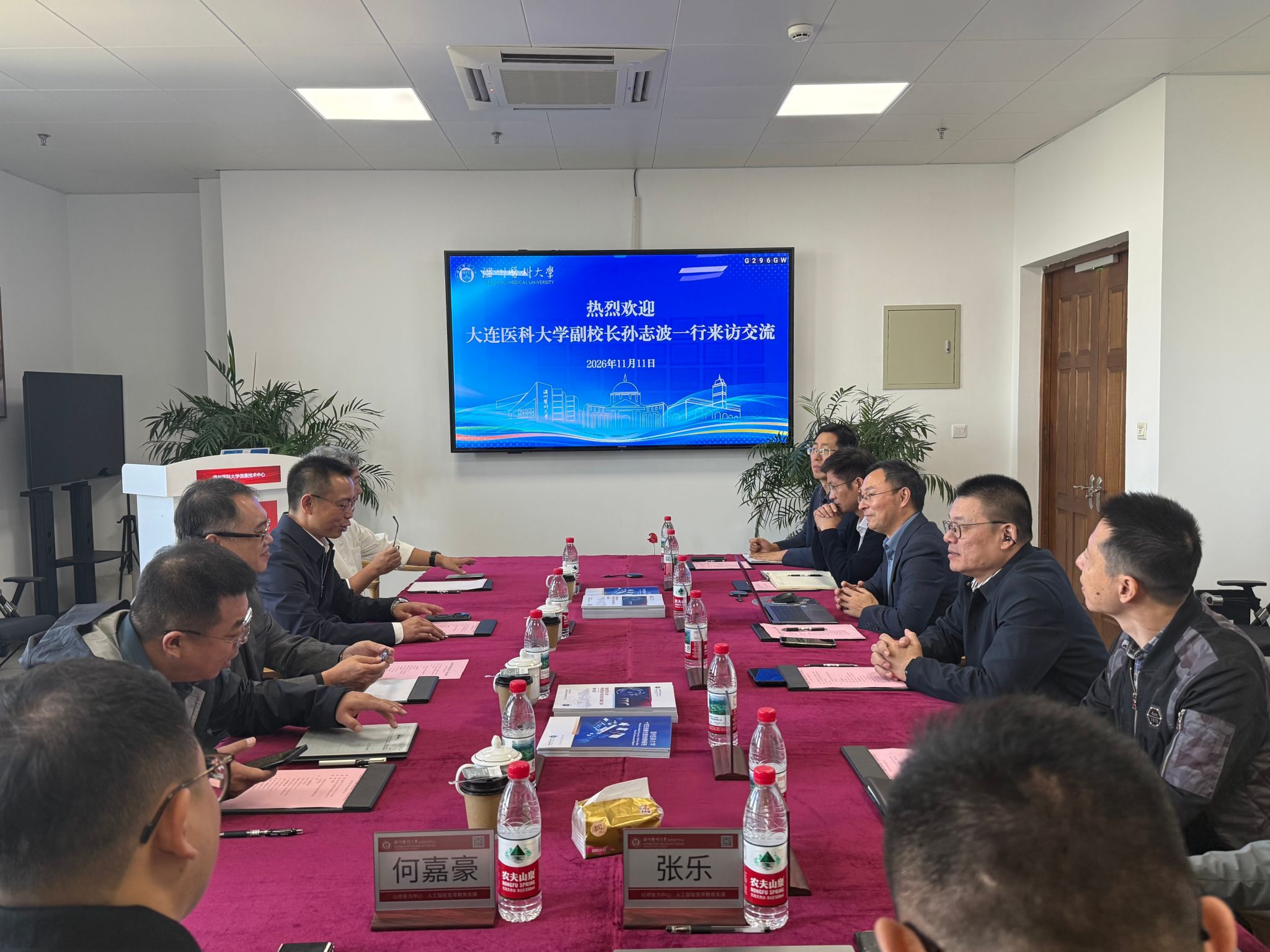
After the plenary exchange session, participants from both sides split into six thematic groups by business area for targeted discussions. In-depth exchanges were conducted on smart campus development, quality improvement of postgraduate education, development of the innovation and entrepreneurship education system, intelligent upgrading of the library, discipline building in rehabilitation and health care, and distinctive development of the School of Nursing.
Vice President Sun Zhibo joined the information technology group for a visit to the University’s Information Technology Center. Wang Chaojie, Director of the Center, elaborated on WMU’s practices and achievements in smart campus construction, data resource governance, AI application, and IT service support. He also accompanied the delegation on a tour of the core computer room, offering on-site insights into its infrastructure, operation and maintenance, and cybersecurity safeguards.
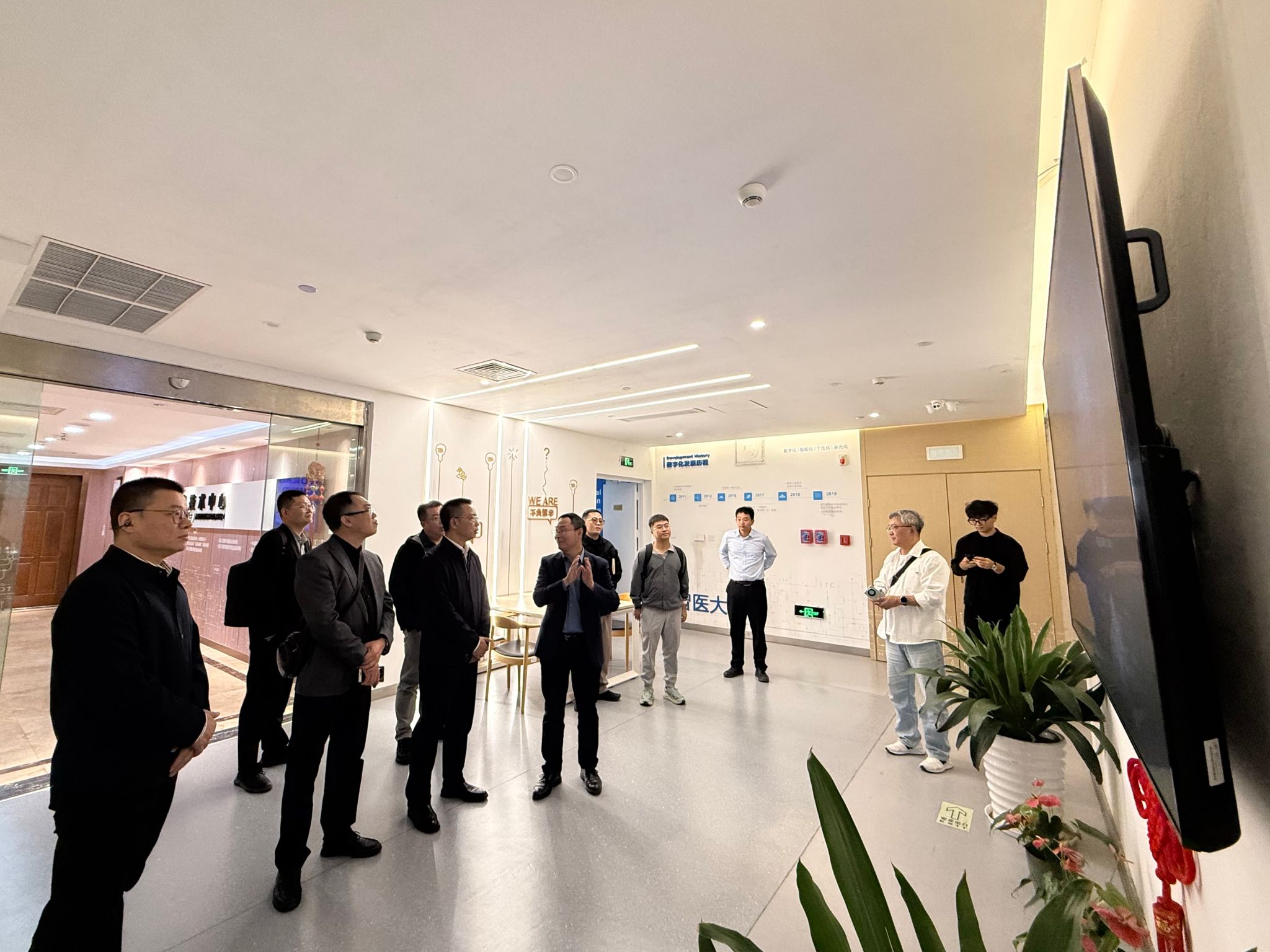
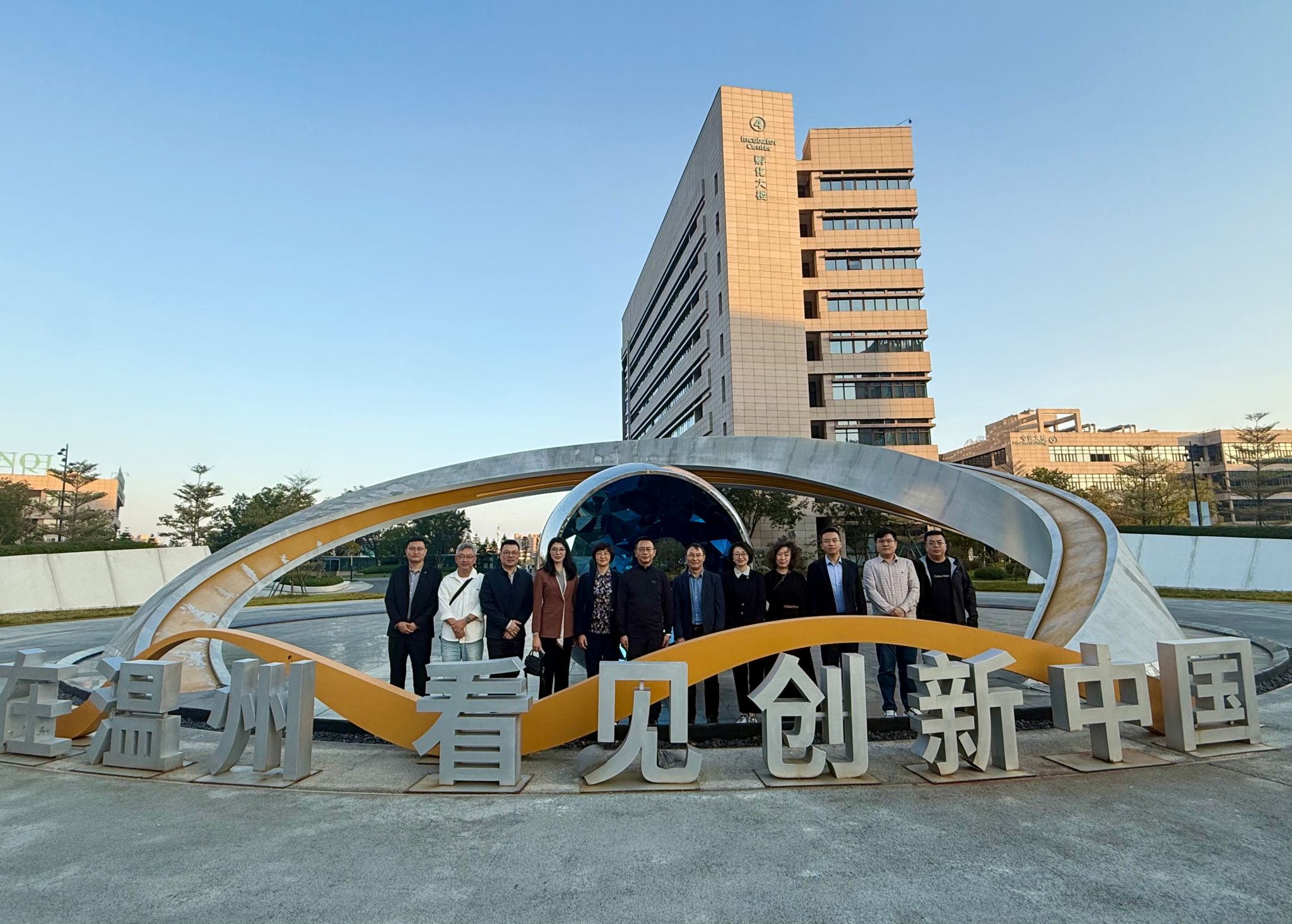
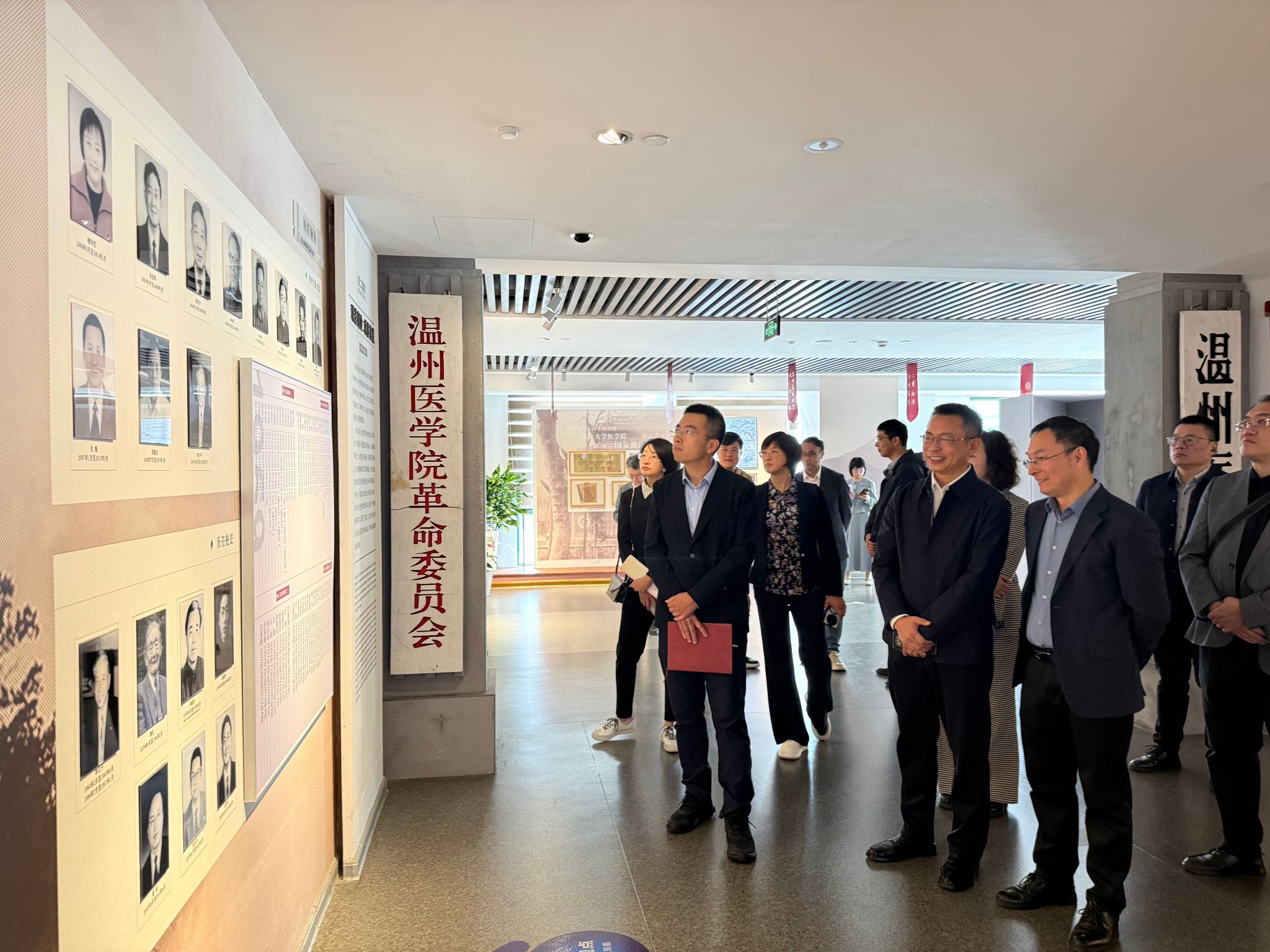
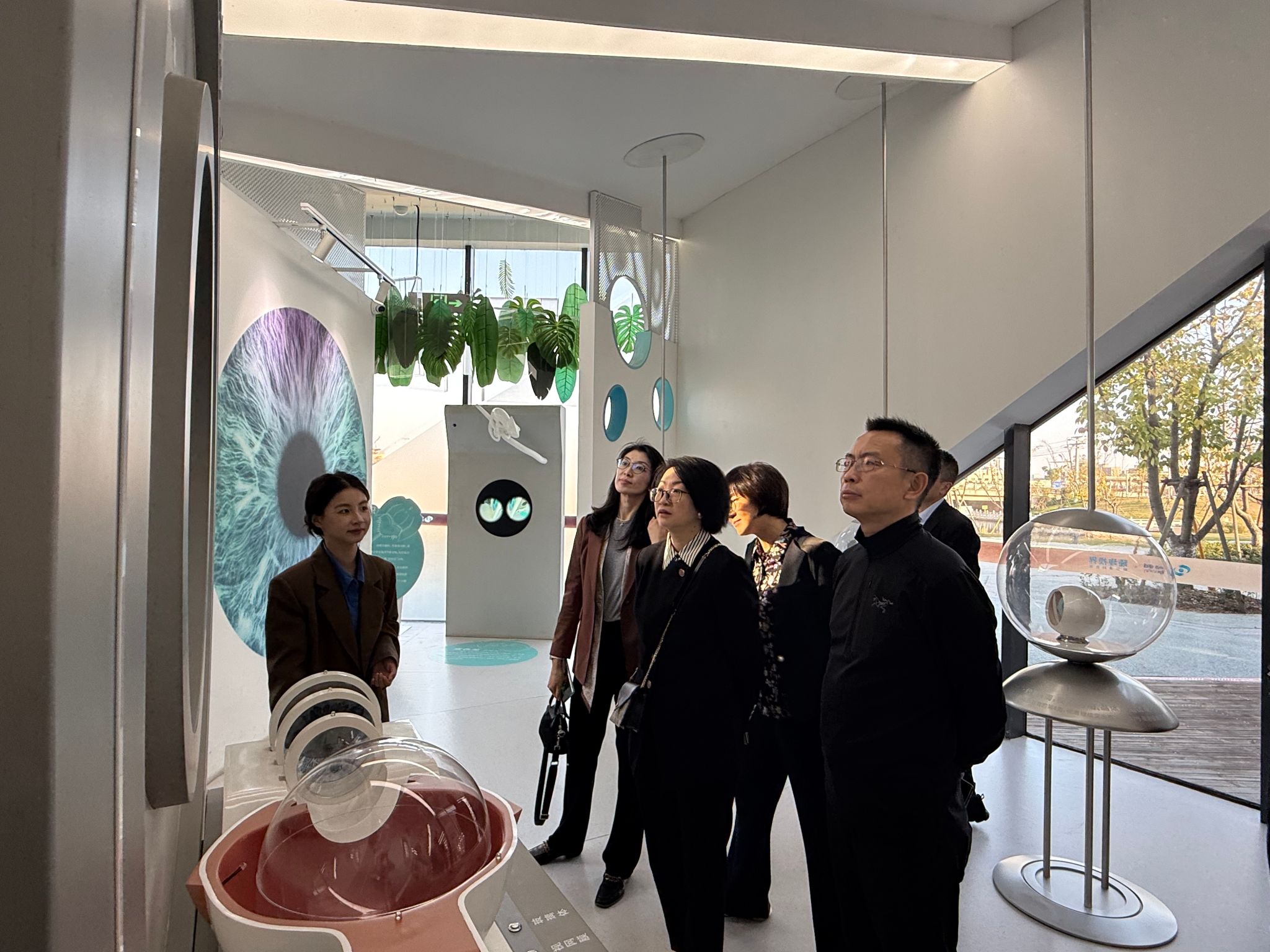
During their stay at Wenzhou Medical University, the research delegation from Dalian Medical University visited the University History Museum, the Human Science Museum, China Eye Valley and China Gene Medicine Valley in sequence, gaining first-hand insights into the university’s historical heritage, the development of medical popular science platforms, and the layout of platforms for industry-university-research transformation.
This focused and practical research and exchange activity has deepened mutual understanding between the two universities and clarified the direction for future cooperation. Both sides stated that they will take this exchange as an opportunity to establish and improve a regular communication and coordination mechanism. By sharing resources and leveraging complementary strengths, they will expand the breadth and depth of cooperation, jointly elevate the standard of medical education and the quality of talent cultivation, and contribute more to serving the Healthy China Strategy and advancing the high-quality development of higher medical education.